Preparedness Planning Must Include the Air We Breathe
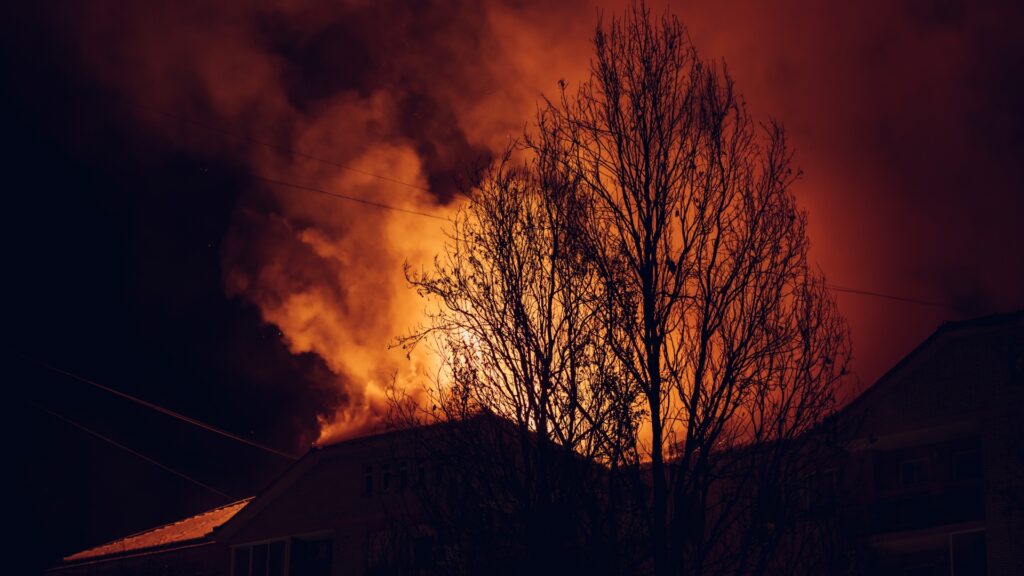
Wildfires can spread smoke and dangerous particles for miles, making indoor air quality an important part of preparedness.
Introduction: What You’ll Learn
September is National Preparedness Month, a reminder that emergencies, whether wildfires, floods, or hurricanes, can strike without warning. For people with asthma and allergies, these events are especially challenging, since disasters can trigger spikes in allergens, pollutants, and moisture that worsen indoor air quality.
This year’s theme for National Preparedness Month is “Preparedness Starts at Home.” FEMA’s Ready Campaign encourages everyone to take four simple but powerful actions: know the risks in your area, make a family emergency plan, build an emergency supply kit, and get involved in your community. Preparedness doesn’t require special skills or expensive supplies but taking small steps now, like creating a plan or stocking basic items, can make a big difference in staying safe and comfortable during and after a disaster.
In this article, you’ll learn:
- Why preparedness must include protecting indoor air quality.
- The rising health risks linked to climate change, from asthma peak season and longer allergy seasons to floods, wildfires, and extreme temperatures.
- How Certified Asthma & Allergy Friendly® products can support homes, schools, senior living facilities, and workplaces before, during, and after emergencies.
- Practical steps families, facility managers, and schools can take to build resilience.
- Why independent third-party certification is a reliable guide when making preparedness purchases.
Why Preparedness Must Include Indoor Air Quality
National Preparedness Month encourages everyone to be ready to survive at least three days without essential services like power, water, or access to stores. Families typically stock up on food and water, but clean indoor air is a fundamental need that is often overlooked.
For people with asthma and allergies, indoor air quality can make the difference between stability and crisis. During disasters, exposure to wildfire smoke, mold after flooding, surges in pollen, and extreme temperatures can worsen respiratory conditions. This time of year –September – is also Asthma Peak Month, when pollen, mold, and respiratory infections collide with extreme weather events, making preparedness all the more urgent.
Climate, Disasters, and Health: The New Reality
Climate change is reshaping the types and frequency of emergencies we face:
- Wildfires spread smoke and particulate matter across entire regions, triggering asthma and allergies.
- Flooding and hurricanes create high humidity indoors, encouraging mold growth that can linger long after the water recedes.
- Heat waves and cold snaps put stress on vulnerable populations and magnify IAQ problems when homes are poorly insulated.
- Thunderstorm asthma occurs when storms break pollen into smaller fragments, making it easily inhaled and sparking sudden asthma events.
- Pandemics and infections highlight the importance of ventilation and air purification as we spend more time indoors.
The Certified Products That Strengthen Preparedness
Certified Asthma & Allergy Friendly® products play an important role in resilience planning. They are independently tested to perform under real-world conditions, providing confidence that they will work when needed most.
Air Purifiers & Whole-Home Air Cleaners
During wildfires, dust storms, or mold outbreaks, air purifiers can be a lifeline.
To achieve Certification, air purifiers must demonstrate:
- Removing allergens from the air – reducing airborne allergen levels by at least 90% in controlled, real-life chamber testing that includes carpet, furniture, and allergen-laden dust.
- Capturing allergens, not just moving them – at least 50% of allergens removed must be captured within the filter itself, preventing re-release into the environment.
- Keeping users safe from ozone – Certified purifiers must produce less than 0.05ppm of ozone, ensuring they don’t introduce harmful by-products.
These criteria are rigorous, and not every product can meet them. That’s why our Certified partners play such a vital role in bringing trusted solutions to families and facilities.
- Rabbit Air emphasizes that preparedness planning should always include the indoor environment. According to Rabbit Air:
“When it comes to preparing for adverse weather or emergency situations, having a plan for your indoor environment is crucial and at Rabbit Air, we’re dedicated to ensuring our purifiers and filters provide a reliable solution. Our commitment is backed by our partnership with the Asthma and Allergy Foundation of America (AAFA), and our products are held to their strict standards.”
- Alen highlights how critical clean indoor air becomes when families are forced to stay indoors during emergencies.
“We know emergencies like wildfires, storms, and power outages can force people to stay indoors. That is why it is so important to ensure indoor environments are healthy,” said Warburg Lee, CEO of Alen.
Alen’s Certified Asthma & Allergy Friendly® BreatheSmart purifiers reduce allergens and airborne particles whilst keeping ozone levels at absolute minimum. This makes them a powerful addition to preparedness strategies for homes, schools, and workplaces.
HVAC systems and air filters
Certification doesn’t just apply to portable air cleaners. High-efficiency HVAC filters are another crucial line of defense when outdoor air is compromised.
- Filtrete™ : The EPA and CDC recommend using high-efficiency MERV 13 filters. Filtrete™ MPR 1900 Air Filters are Certified and help capture airborne pollutants such as wildfire smoke, dust, and pollen while keeping HVAC systems running efficiently during times of strain.
As Filtrete™ explains:
“Even if a wildfire is hundreds of miles away, the smoke can still impact the quality of the air you breathe. After a wildfire has passed, smoke particles can persist in the air for days and even months. So, it’s important to use the right air filter in your HVAC system to trap smoke particles. Filtrete MPR 1900 (MERV 13) or 2500 (MERV 14) Air Filter are great options, as both are designed to trap smoke and other unwanted micro-sized airborne particles.”
Dehumidifiers
After floods or hurricanes, dehumidifiers are vital for preventing mold growth. Certified Asthma & Allergy Friendly® dehumidifiers must demonstrate they can reach and maintain healthy humidity levels, limit exposure to allergens during filter or water tank changes, and provide clear maintenance alerts. This ensures they effectively manage indoor moisture while supporting healthier air during recovery.
Insulation
Certified insulation solutions help maintain comfortable indoor temperatures during heat waves and cold snaps. This not only protects vulnerable populations but also reduces strain on power systems during outages. By improving energy efficiency and reducing temperature fluctuations, insulation also supports long-term resilience against extreme weather.
Laundry Machines & Detergents
Certified detergents and washing machines help remove allergens like pollen, dust, and mold spores from clothing and bedding after exposure. They are scientifically tested to ensure they reduce allergen levels while avoiding harsh chemicals or fragrances that can trigger sensitivities. Having Certified laundry solutions on hand is especially important after storms, high pollen days, or flood-related cleanup, when textiles can carry hidden triggers back indoors.
Vacuum Cleaners
Cleanup after storms or dust events can spread allergens without the right equipment. Certified vacuums are tested to capture and contain allergens effectively, preventing them from being released back into the air. They must demonstrate strong particle capture, airtight construction, and effective filtration systems, making them an essential tool for restoring healthier indoor environments after emergencies.
Cleaning Products
Post-disaster cleanup often requires heavy use of cleaning agents. Certified cleaning products are validated to remove allergens and irritants without releasing additional pollutants into the air.
Air Conditioners
Heat waves can be deadly for people with asthma and allergies. Certified air conditioners support both temperature regulation and indoor air quality.
Pollen Screens for Windows
During pollen surges, certified screens can block allergens while still allowing natural ventilation, a valuable option when power outages prevent HVAC use.
Why Certification Matters in Emergencies
Terms like “allergy-friendly,” “eco,” or “non-toxic” are often unregulated and can be misleading. Certification provides assurance that products have been independently tested in accredited laboratories under real-world conditions.
For families, schools, and facility managers, the Asthma & Allergy Friendly® Certification Mark is a trustworthy guide when preparing. It builds resilience by ensuring the products chosen won’t fail when they are needed most.
Practical Preparedness Steps
- Incorporate Certified products into home emergency kits, facility procurement plans, and school IAQ strategies.
- Use products year-round so they are ready to perform during disasters.
- Develop an Asthma Action Plan with healthcare providers.
- Maintain equipment: change HVAC filters regularly, test purifiers, and keep Certified cleaning products on hand.
- Make a family emergency plan that includes meeting points, evacuation routes, and ways to stay connected if separated.
- Build a supply kit with at least three days’ worth of food, water, and essential items, including supplies for pets and household members with medical or accessibility needs.
- Get involved locally: stay updated on your community’s emergency plans and consider training opportunities like Community Emergency Response Team(CERT ) Programs to support resilience.
- Communicate strategies: families, schools, and facilities should make Certified product choices part of a broader preparedness plan.
For those managing asthma or allergies, our partners at the Asthma and Allergy Foundation of America (AAFA) provide excellent resources, including guidance on Preparing for Weather Emergencies and Natural Disasters When You Have Asthma.
Conclusion: Preparedness for Today’s Risks
Emergencies will continue to come in many forms: wildfires, floods, storms, pandemics, and extreme temperatures. Preparedness is about more than food and water, it’s about protecting the air we breathe.
By integrating Certified Asthma & Allergy Friendly® products into preparedness strategies, families, schools, workplaces, and senior living facilities can reduce risks, support vulnerable individuals, and recover more quickly after emergencies. And as FEMA reminds us through this year’s theme, “Preparedness Starts at Home”, taking small, proactive steps today helps ensure healthier, safer spaces when challenges arise.